
The Psychology of the False Suspect
Kay ScarpettaThis flow examines why Oscar looks guilty even when the physical and psychological evidence points elsewhere.
increasing Bearing strength in each event
 decreasing
Bearing strength in each eventdecreasingThe Ideal Suspect
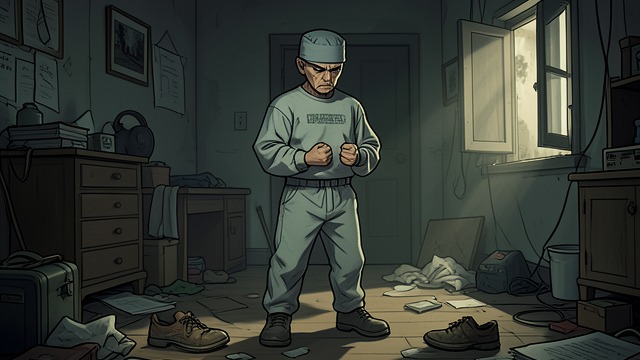
The Ideal Suspect
Motive on display
Oscar is Terri’s lover, was present at the scene, has a controlling sexual imagination, and admits to lying about an attacker. Every fact appears to support suspicion.
Evidence without discrimination
His DNA is everywhere, his shoes are in the apartment, and his behavior is hysterical. Yet these facts are equally compatible with a grieving lover who found the body.
The danger of fit
Oscar becomes dangerous as a narrative before he becomes convincing as a forensic suspect. His unusual body and delusions make the public eager to accept the story.
The Physical Contradiction
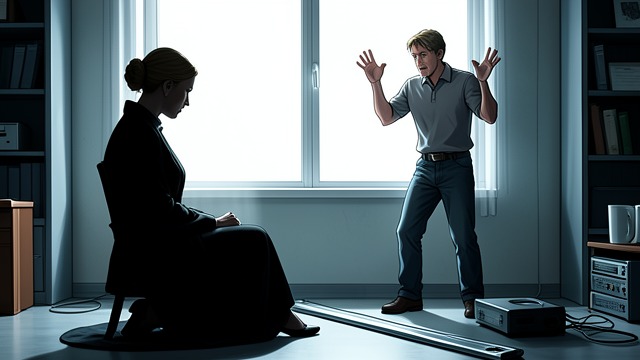
The Physical Contradiction
Geometry against suspicion
Terri’s seated body would be almost as tall as Oscar standing behind her. His short arms and limited reach make the repeated upward strangulation unlikely.
A scene that demands height
The attacker needed leverage, balance, and force while Terri kicked and resisted. The physical mechanics point toward a normally proportioned adult rather than Oscar.
Suspicion weakened
The measurement does not prove Oscar’s innocence, but it removes the prosecution’s most convenient physical explanation. The investigation must return to motive, access, and planted evidence.
The Fugitive Misread

The Fugitive Misread
Flight as guilt
Oscar disappears after the second murder, making the public assume that escape confirms his culpability. His fugitive status becomes the loudest fact in the case.
Flight as survival
Benton and Scarpetta understand that Oscar may be fleeing the person who has already tracked and implanted him. His paranoia makes surrender seem more dangerous than hiding.
The cost of interpretation
The same behavior can mean guilt, terror, or both. The novel uses Oscar’s flight to show how institutions punish people whose fear does not look orderly.
Immediately after Terri’s death
After Scarpetta measures the chair and bodies
After the arrest warrant is issued
